
Luxury travel is not defined solely by exclusive accommodation, scenic destinations, or personalised services. For many travellers, memorable dining experiences have become an equally important part of discovering a destination and understanding its culture. In places such as Bali, Dining Ubud shows how culinary experiences can boost a destination’s appeal by bringing together local ingredients, distinctive settings, and contemporary interpretations of regional cuisine. Fine dining also gives travellers opportunities to explore a location through its food while enjoying experiences that feel different from everyday restaurant visits. As tourism increasingly values authenticity and individual experiences, gastronomy has taken a more prominent role in luxury hospitality. Understanding this connection reveals why exceptional dining has become an important element of modern luxury travel.
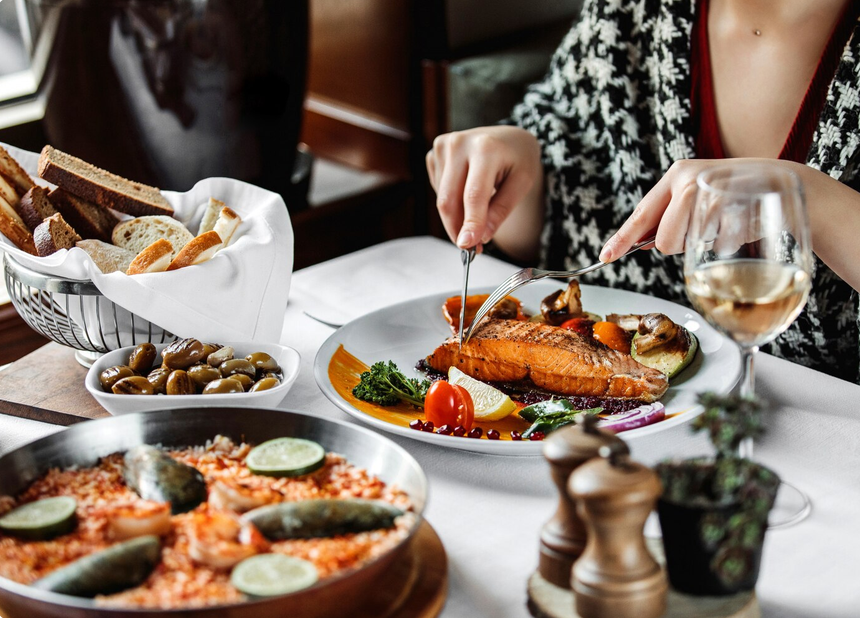
Food as a Form of Cultural Exploration
One reason fine dining has become closely associated with luxury travel is its ability to communicate aspects of local culture. Restaurants can introduce visitors to regional ingredients, traditional cooking methods, and culinary influences that may not be immediately visible through conventional sightseeing. Chefs often reinterpret familiar local dishes using contemporary techniques while preserving elements of their cultural origins. This gives travellers opportunities to understand how geography, agriculture, history, and social customs shape a region’s cuisine. Dining therefore becomes more than recreation because it offers insight into a destination’s identity. For travellers interested in cultural experiences, a carefully developed tasting menu can offer a different perspective on the places they visit.
The Influence of Exclusive Dining Environments
The atmosphere surrounding a fine dining experience also contributes to its appeal within luxury tourism. High-end restaurants frequently pay close attention to interior design, table arrangements, lighting, service standards, and the presentation of individual courses. These elements create an environment that feels distinct from everyday dining. Some establishments are located within luxury hotels, historic buildings, scenic coastal settings, or architecturally significant spaces. Their surroundings can become part of the overall travel experience, especially when the restaurant offers views or an atmosphere tied to the destination. The combination of food, hospitality, and setting helps explain why certain dining experiences become memorable components of a luxury holiday rather than simply places to eat.

Culinary Innovation and Personalized Experiences
Modern fine dining is also shaped by culinary innovation and personalised hospitality. Restaurants increasingly experiment with unusual ingredient combinations, specialised preparation methods, and creative presentations that reflect the chef’s individual approach. Tasting menus let diners experience several carefully coordinated courses, often arranged to convey a particular culinary theme. Some establishments also accommodate dietary requirements and individual preferences through personalised menu adjustments. These experiences appeal to travellers who value originality and attention to detail. In the luxury travel market, the chance to experience something distinctive can matter as much as the food itself. This emphasis on innovation helps restaurants become destinations in their own right.
Fine dining has become part of modern luxury travel because it combines cultural exploration, culinary creativity, exclusive environments, and personalised hospitality. Restaurants increasingly function as destinations, offering experiences beyond ordinary meals. As luxury tourism continues to emphasise memorable, distinctive activities, exceptional dining remains an important part of how travellers experience different parts of the world.